
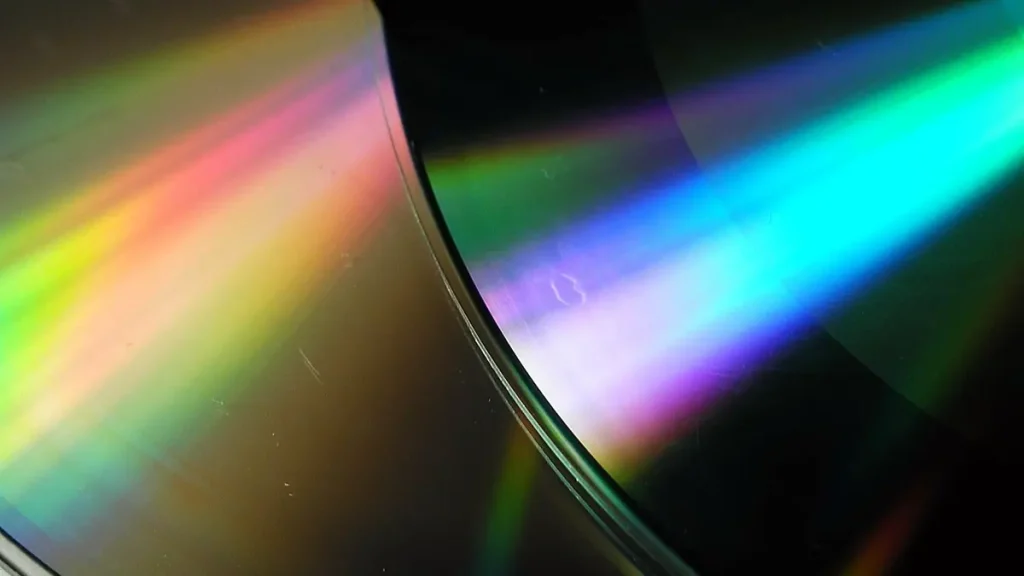
Compact discs are finding a new audience, and this time the CD comeback is visible in the numbers.
For years, the idea of a CD revival sounded like pure nostalgia. Streaming had become the easiest way to hear almost any song, while shelves full of jewel cases seemed to belong to another time.
Still, many people never forgot the small rituals. Opening the case. Taking out the booklet. Placing the disc in the tray. Watching the track number appear. And, of course, trying not to leave a single scratch on the shiny surface.
Now, new figures from the United States show that the CD is doing more than simply surviving. Revenue is rising, unit sales are increasing, and a format once treated as obsolete is becoming interesting again to collectors, long-time listeners and younger fans.
The Numbers Behind the CD Comeback
According to the RIAA 2026 Mid-Year Recorded Music Revenue Report, US revenue from full-length CD albums reached $171.1 million in the first half of 2026.
That is a 58.6% increase from the same period in 2025, when CD revenue stood at $107.9 million. The increase was not limited to money. CD unit sales also rose from 12 million to 17.5 million, an increase of 45.7%.
- CD revenue: $171.1 million, up 58.6%
- CD units: 17.5 million, up 45.7%
- Total physical revenue: $731.5 million, up 25.9%
- Vinyl revenue: $543.8 million, up 17.7%
- Vinyl units: 26.5 million, up 20.9%
- Streaming revenue: $4.89 billion, up 4.7%
- Total US recorded music revenue: $5.97 billion, up 6.9%
Paid subscriptions generated $3.4 billion, while total download revenue fell 12.7% to $121 million. Other physical formats, including cassettes, MiniDiscs and music DVDs, brought in $16.5 million, up 44.9%.
Vinyl remains the largest physical music format by revenue, but CD revenue grew faster than vinyl revenue. That is what makes these figures so surprising.
An Important Detail: These Figures Are for the United States
The 58.6% increase and the $171.1 million total apply to the US recorded music market. They should not be presented as global CD figures.
The RIAA table reports US wholesale value, net after returns. Its CD category covers full-length compact-disc albums, including direct and special-market sales. In other words, this is not a worldwide retail total and it does not tell us that every country is experiencing the same level of growth.
The distinction matters because music trends can move differently from one market to another. A revival can be strong in the United States, modest elsewhere and driven by completely different artists in another region.
A Second Report Confirms the CD Comeback
Evidence of the CD comeback does not appear only in RIAA data. Luminate's 2026 Midyear Report says that US CD sales rose 16% to 16.3 million units during the first half of the year.
Luminate also found that CD growth outpaced vinyl growth in its own tracking. Collectible K-pop releases were an important part of the increase, but they were not the whole story. Even after K-pop sales were removed, US CD sales were still up 6.7%.
The RIAA and Luminate unit totals are not identical because the organisations use different datasets and reporting definitions. The two figures should not be combined directly. What matters is that both independent measurements point in the same direction: more CDs are being sold in the United States.
How the Compact Disc Changed Music
The CD story did not begin as nostalgia. It began as the future.
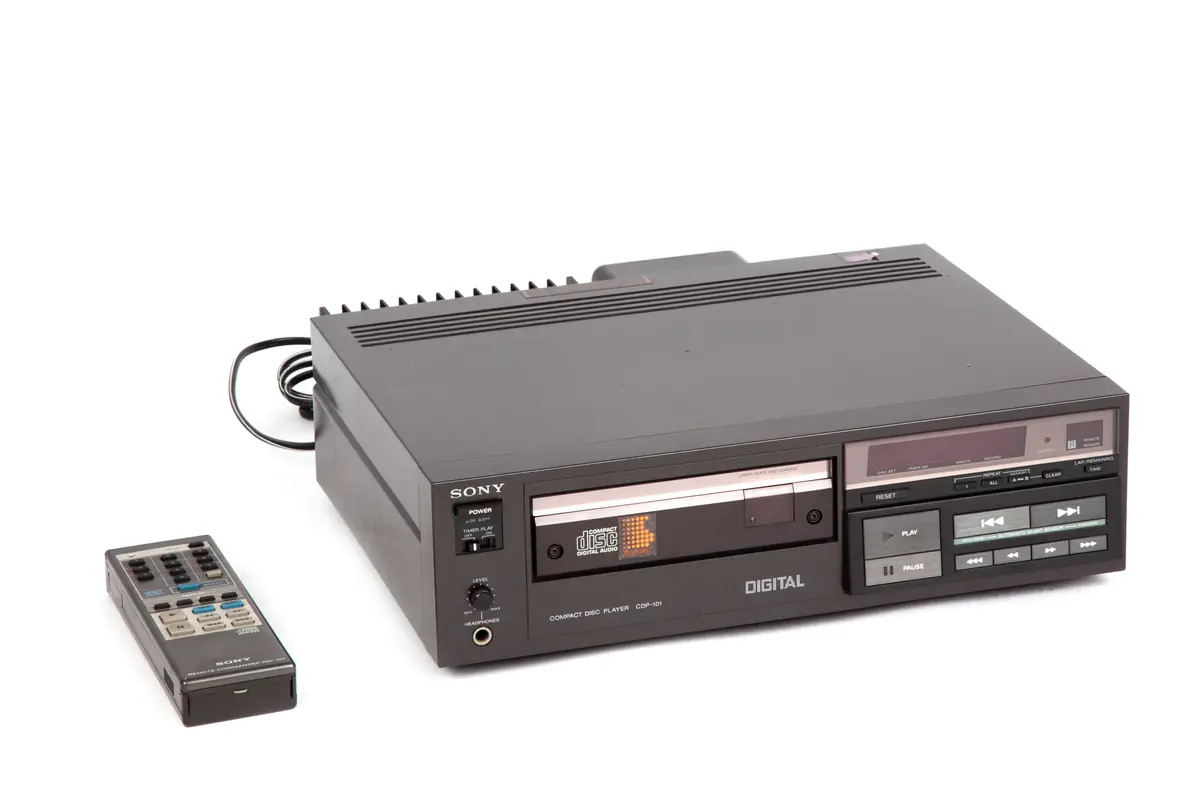
Philips and Sony developed the Compact Disc Digital Audio system together. According to the Philips Museum, the format was introduced in Japan in 1982, followed by Europe and the United States several months later.
At the time, the small silver disc looked almost unreal. There was no tape to rewind and no needle to place on a record. Listeners could jump directly to a track, see its number on a digital display and hear the same album again without the gradual wear associated with older formats.
The first players were expensive, but the idea was powerful. Music could now be digital and still live inside a physical object that people could buy, hold and keep.
The 1990s: When CDs Were Everywhere
During the 1990s, the CD moved from expensive new technology to the main way millions of people bought music. The RIAA's history of recorded music in America notes that CD sales had passed cassette sales by 1992.
That did not happen overnight. For a while, cassettes and CDs lived side by side. Many families had a cassette deck in the car, a CD player at home and a mixture of both formats on the shelf. Anyone who remembers that earlier period may also enjoy our story about cassette tapes, music and old memories.
Buying a CD was an event. You looked at the cover, read the song list on the back and opened the booklet on the way home. Some booklets included lyrics, photographs, credits and small details that could not be discovered from a single song on the radio.
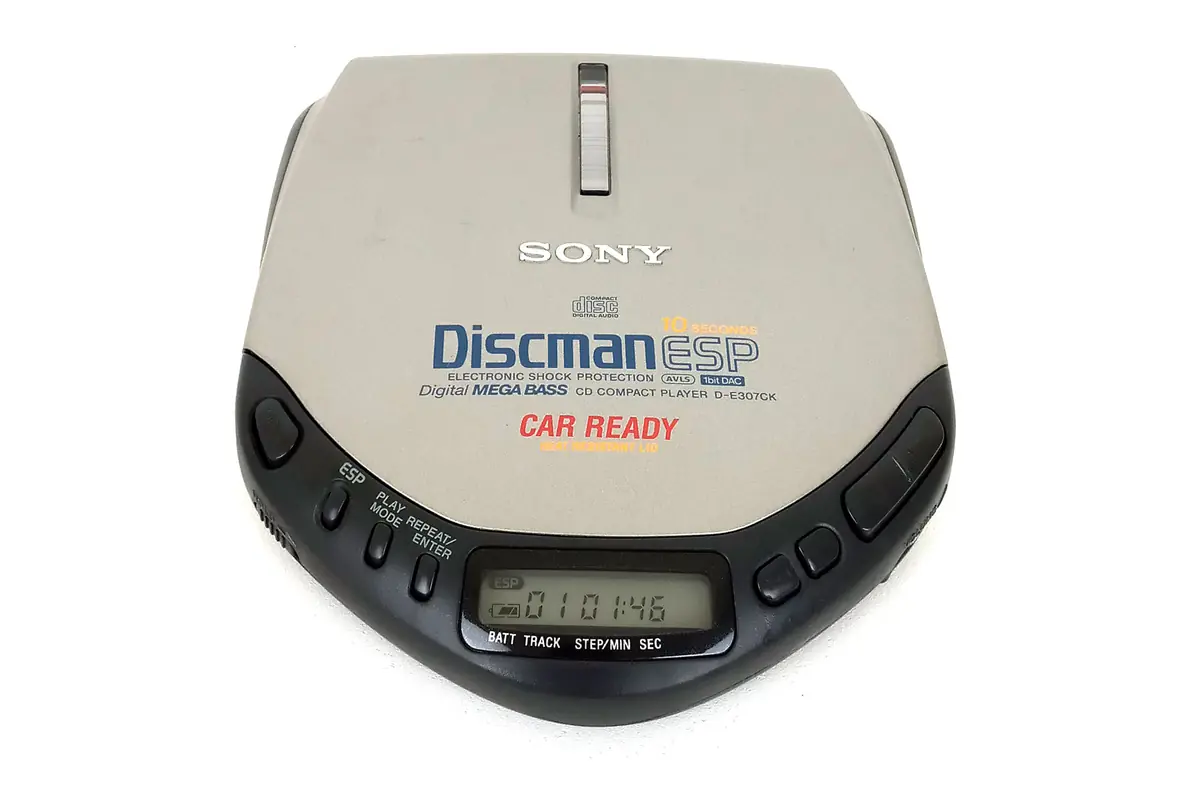
Then came portable CD players. A Discman could put a complete album inside a backpack, although walking too quickly sometimes made the music skip. Batteries never seemed to last long enough, headphones became tangled, and the player needed a careful place in a bag. None of that stopped people from carrying music everywhere.
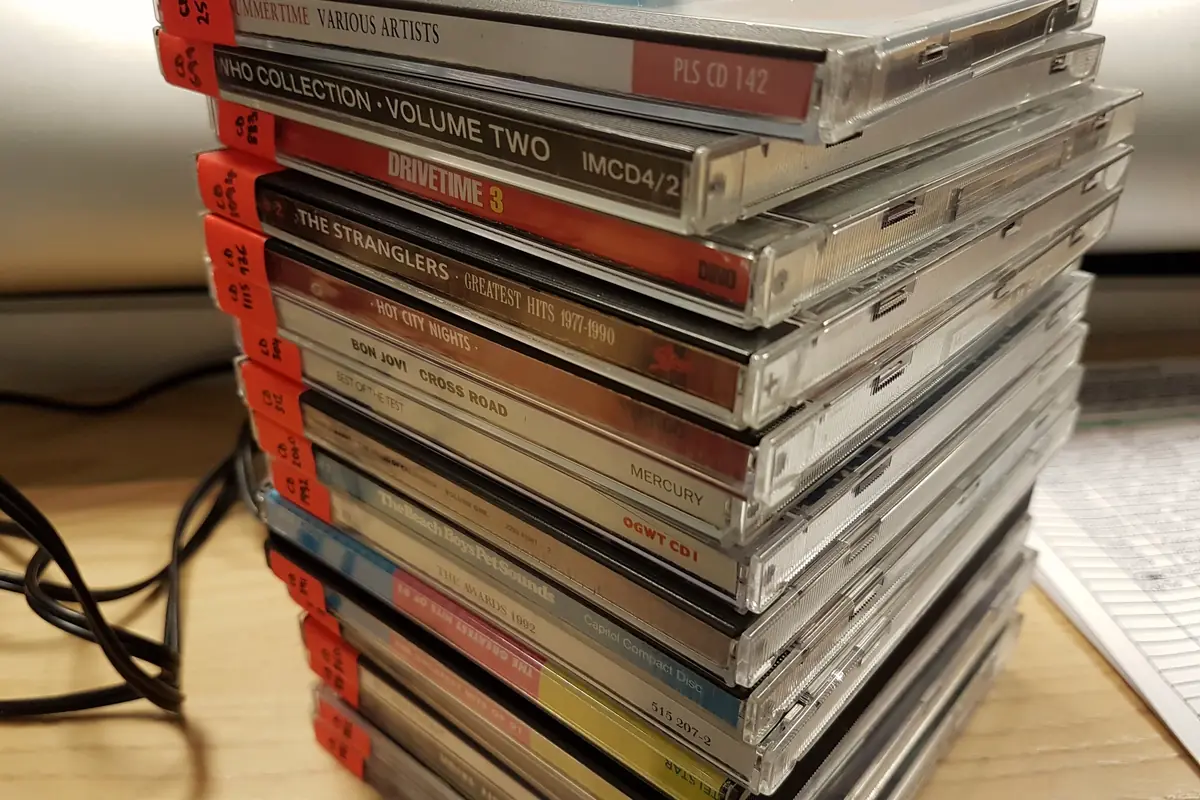
The format reached an extraordinary peak. According to the RIAA, consumers in the United States bought 943 million CDs in 2000. For anyone who grew up during that period, the jewel cases stacked beside a stereo or computer were part of the room.
What Changed During the 2000s?
The same decade that began with record CD sales also changed the way people collected music.
MP3 files, faster internet connections, file-sharing services, portable digital players and legal download stores made it possible to carry hundreds or thousands of songs without carrying a single disc. Later, streaming removed even the need to store those files.
At first, computers did not make CDs disappear. They gave them a new role. People copied tracks to hard drives, built playlists and created personal compilations for cars, parties, holidays and friends. Our look back at burning music CDs in the 2000s remembers the blank discs, handwritten labels and nervous wait for the progress bar to reach 100%.
Programs such as Winamp became the centre of home music collections. Songs moved between folders, playlists and CD-Rs, turning the compact disc into a bridge between the physical and digital eras. That whole atmosphere returns in our story about when Winamp ruled music in the 2000s.
Eventually, convenience won. A streaming library needed no shelf space, worked across devices and made millions of tracks available within seconds. CD collections moved into boxes, cupboards, garages and attics.
Many people assumed they would stay there forever.
Why Compact Discs Are Finding a New Audience
The CD comeback is not caused by one thing. Nostalgia matters, but nostalgia alone does not explain growing unit sales, collectible editions or younger fans discovering the format for the first time.
A CD Feels Like Something You Own
Streaming gives access to music, but a subscription is not the same as a personal copy. Albums can move between services, licensing agreements can change, and an internet connection is often part of the experience.
A CD remains on the shelf. It can be played without a subscription, lent to a friend, sold, given as a gift or rediscovered years later. For some listeners, that simple sense of ownership has become valuable again.
It Is an Affordable Collectible
Vinyl is beautiful, but new records can be expensive and they require more space. CDs are smaller, often cheaper and easy to find on the second-hand market. A listener can build a real music collection without turning an entire room into an archive.
New releases have also changed. Special covers, photo cards, bonus tracks, booklets and limited editions turn an album into a collectible object. Luminate's findings show how strongly K-pop fandom has contributed to this part of the market.
The Artwork and Booklet Still Matter
A streaming thumbnail is useful, but it is not the same as opening an album booklet. Cover art, lyrics, photographs, production notes and thank-you messages give music a physical setting.
Those details can create a stronger connection with an album. They also make a release feel complete, especially when artists design the music, packaging and visual identity as one project.
Physical Music Changes the Way We Listen
Streaming encourages movement from song to song. A CD quietly encourages something different: choose an album, press play and let it continue.
There is no endless feed on the case and no recommendation appearing before the final track. For people tired of constant choice, listening to one album from beginning to end can feel surprisingly calm.
The CD Comeback Does Not Mean the End of Streaming
It is important not to turn a strong percentage increase into the wrong conclusion. Streaming still generated about 82% of US recorded music revenue in the first half of 2026. It remains the dominant way people listen, and it also continued to grow.
The CD does not need to replace streaming to have a meaningful comeback. The same person can use streaming every day and still buy a favourite album on CD. One format offers speed and access. The other offers ownership, artwork and a physical memory.
That may be the real story behind the numbers. People are not simply rejecting new technology. They are choosing to keep a small physical part of their musical lives.
The Silver Disc Is Not Finished Yet
The CD has already been the future, the standard and the format many people thought the world had left behind. Now it is entering another chapter.
The CD comeback is still small compared with the height of the 1990s and 2000s, and the strongest new figures come from the United States rather than the entire world. But a 58.6% rise in revenue is too large to dismiss as a forgotten box being opened in the attic.
For older listeners, CDs bring back music shops, Discman players, cracked jewel cases and carefully protected collections. For younger listeners, the same objects can feel new: an affordable way to own an album in a world built around temporary access.
We once protected CDs from scratches because they held our music. Today, people are buying them again because they want part of that music to remain truly theirs.