
Scooby-Doo facts reveal how a dog who would rather run away from a mystery became the star of a show about solving them. His name, awkward appearance and friendship with Shaggy all have stories behind them that make the cartoon even more enjoyable to revisit.
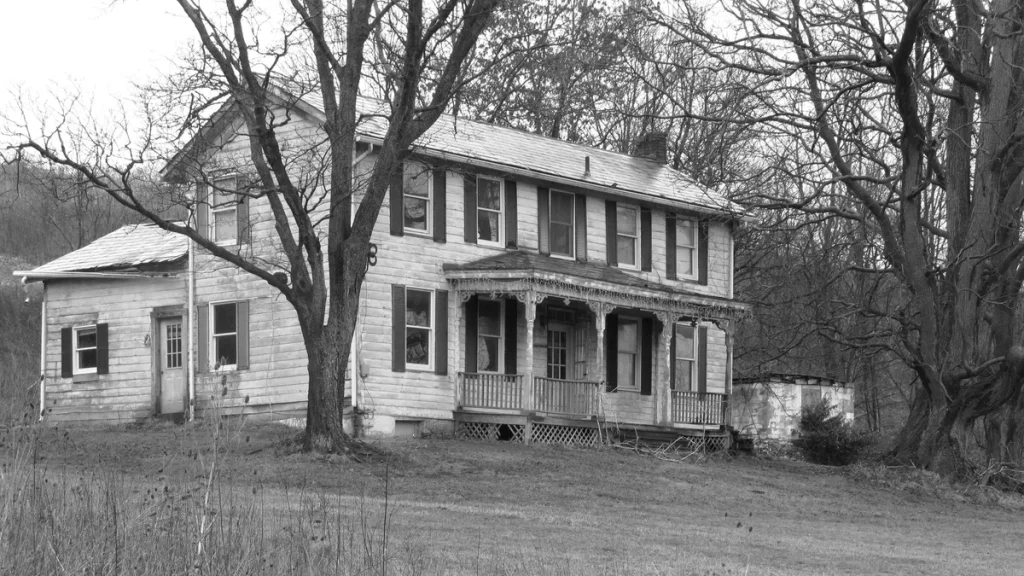
An old house, a strange noise in the corridor and a group of friends who decide to investigate anyway. Fred starts making a plan, Velma looks for clues, and Shaggy and Scooby would prefer to find the exit — or something to eat. Few cartoons made suspense and comedy feel so comfortable together.
That combination developed through the work of writers, artists and television executives. Here are seven stories behind the familiar characters and their mysteries.
Scooby-Doo facts: the stories behind the cartoon
1. The first mystery aired in 1969
The original series, Scooby-Doo, Where Are You!, premiered on CBS in the United States on September 13, 1969. Its first episode was What a Night for a Knight, in which Scooby and Shaggy encounter a suit of black armour that leads them into a mystery.
Writers Joe Ruby and Ken Spears created the series for Hanna-Barbera. Artist Iwao Takamoto played a central role in developing the characters’ appearance. Scooby’s beginnings therefore involve several people doing different jobs: writing the stories, designing the characters and shaping the television concept.
The basic setup gives everyone something to contribute. Five very different personalities have to piece together the clues, and their reactions to danger can be just as entertaining as the solution.
2. Scooby was not originally the main attraction
According to television executive Fred Silverman’s recollections, an early version of the project was more serious, with the dog in a supporting role. Silverman liked the idea of young people exploring a haunted house, but CBS president Frank Stanton considered the proposed show too frightening to broadcast.
The solution was to bring the funny dog to the centre of the story. That helps explain one of the show’s most enjoyable contradictions: its leading character is often the one most eager to leave the mystery behind.
3. Frank Sinatra helped inspire Scooby’s name
In an interview with the Television Academy, Silverman recalled listening to Frank Sinatra during an overnight flight. The syllables he heard Sinatra singing gave him the idea for the dog’s name. The story is associated with Strangers in the Night and its distinctive ending.
Of all these Scooby-Doo facts, the naming story is a personal favourite. A playful sound in a song became a name that is easy to say, easy to remember and already sounds suited to a comedy.
Music also became part of the show’s identity through its opening theme. If those first notes bring back memories, take a look at our selection of cartoon songs from childhood.
4. Scooby’s awkward appearance was deliberate
Scooby is based on a Great Dane, but Takamoto was not trying to draw a perfect example of the breed. In an interview preserved by Discover Nikkei, he explained that he spoke to a colleague at the studio who bred Great Danes.
She described desirable features, including strong, straight legs and a firm chin. Takamoto then deliberately reversed some of those qualities to make the dog more comical. Instead of straight legs, Scooby received bowed ones.
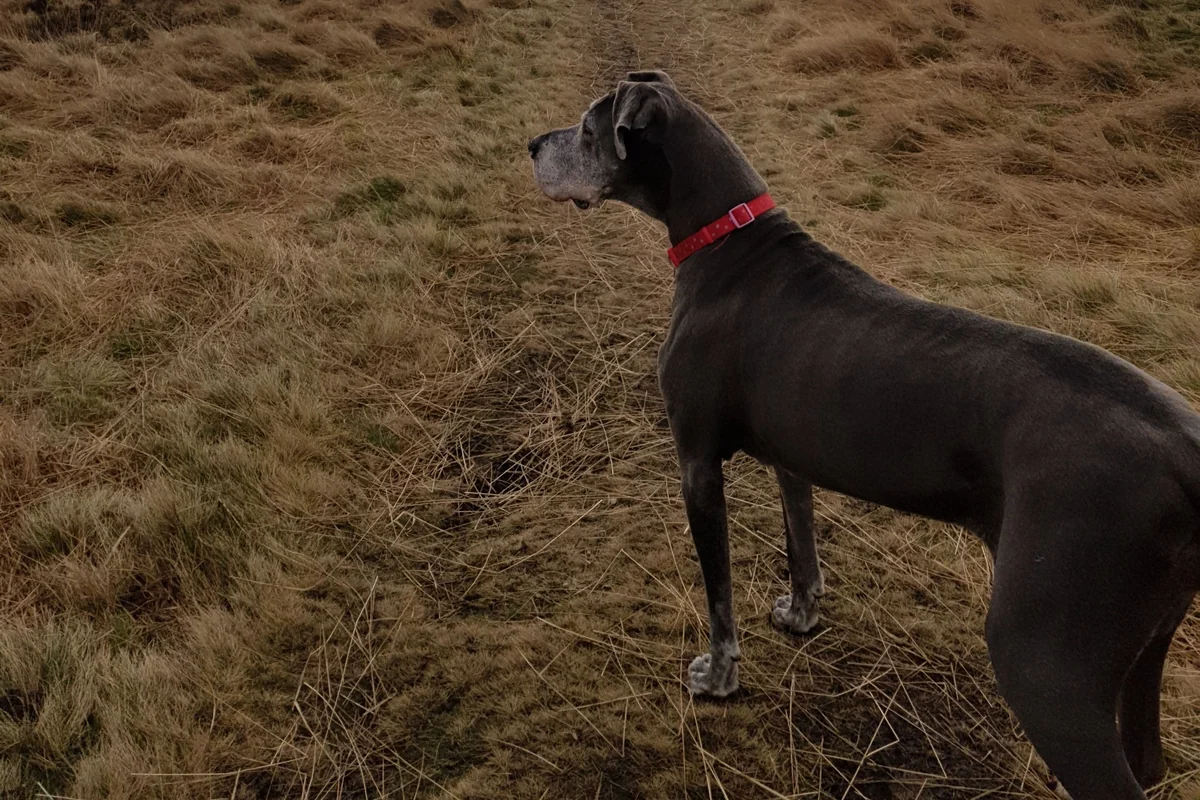
Comparing Scooby with a real Great Dane makes those choices easier to appreciate. His size suggests strength, while his uncertain stance and expressive face prepare us for a very nervous dog.
5. Shaggy has roots in a television sitcom
Takamoto mentioned the American sitcom The Many Loves of Dobie Gillis as an influence when developing Shaggy. The team wanted a relaxed young man with a beatnik character.
In the same interview, he recalled that Shaggy and Scooby seemed like a natural pair, so they were brought together. Their friendship became an important source of comedy.
While the others try to work out what is happening, these two are usually imagining the worst possible explanation. Yet running away, hiding and searching for food often take them straight to an important clue. Fear slows them down, but it never removes them from the story.
6. One actor has voiced both Fred and Scooby
Frank Welker voiced Fred in the original English-language series from 1969. In later productions, he also provided Scooby’s voice. His official filmography lists both characters across numerous titles.
If you grew up watching a dubbed version, this detail may be unfamiliar. Fred’s steadier delivery and Scooby’s distinctive, sometimes muddled speech sound very different, even when the same performer is behind them. The connection concerns the English-language performances; other language versions have their own voice casts.
7. The monsters are not always people in disguise
The original series is known for mysteries in which apparently supernatural ghosts and monsters turn out to be people carrying out elaborate schemes. That is why removing the villain’s mask feels so closely connected to Scooby-Doo.
However, that approach does not describe every later story. The 1998 film Scooby-Doo on Zombie Island introduces genuine supernatural creatures. The familiar group faces a mystery in which its usual explanation is no longer enough.
There is also a difference between knowing the likely ending and feeling comfortable along the way. An empty theatre or movement in a dark corridor can still be unsettling. We explored that atmosphere through The Backstage Rage in our article about scary episodes of classic cartoons.
Why do we keep returning to the gang?
What interests me most is that Scooby’s courage does not look like an absence of fear. He gets frightened, tries to avoid danger and needs reassurance, but he still takes part. Shaggy matters because he understands that feeling.
These Scooby-Doo facts give us a reason to notice details we might once have overlooked: the characters’ shapes, their voices and the way a tense moment turns into a joke. We know the gang, but we still want to see how they will get out of the next difficult situation.
Some of the nostalgia also belongs to the experience of watching television itself. The room, the screen and the wait for a favourite programme are part of our article about watching cartoons on a CRT television.
Which Scooby-Doo mystery do you remember most clearly? Do you prefer a classic unmasking or a story in which the monster turns out to be real? Share your choice in the comments.
Sources and photography
- Television Academy — the original series and its creators.
- Apple TV — the first episode’s title, release date and premise.
- Television Academy — Fred Silverman on developing the show and naming Scooby.
- Discover Nikkei — Iwao Takamoto on designing Scooby and Shaggy.
- Frank Welker — official filmography.
- Warner Bros. — Scooby-Doo on Zombie Island synopsis.
The old house photograph accompanying this article illustrates the atmosphere of a mystery; it does not show a location from the cartoon. Photo: Cbaile19 / Wikimedia Commons, CC0. Cropped and resized.