
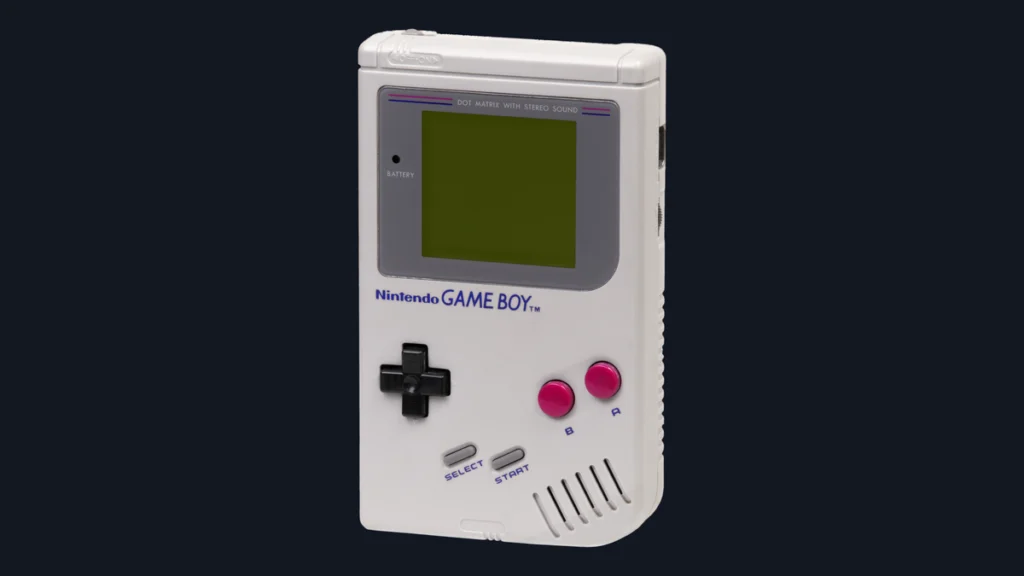
Slide a compatible Game Boy cartridge into the slot on top and the music starts playing on its own. Press a button to skip to the next track, just like on a CD player. That's how Retro Song Bird works. It's a small speaker that plays music and sound effects from Game Boy and Game Boy Color games.
Its creator, BJ Malicoat of Bird Cartel, launched the Kickstarter campaign on 15 November 2026. It reached its US$15,000 goal in less than a day. On 20 November, Time Extension published a hands-on test of the prototype.
The idea goes back to a small speaker Malicoat made for Radio Taiso, a Japanese radio exercise programme. He had the speaker on his desk and had just bought a few Game Boy cartridges at a retro game shop. He thought it would be fun to slide one in and hear the game's music, as he explained in an interview with Blog2Geeks.
How it reads a Game Boy cartridge
The player identifies the game and reads the parts of the ROM it needs. That's the memory on the cartridge that holds the game's code and data. The device runs the music code in software that recreates the Game Boy's sound hardware, generating the notes as you listen.
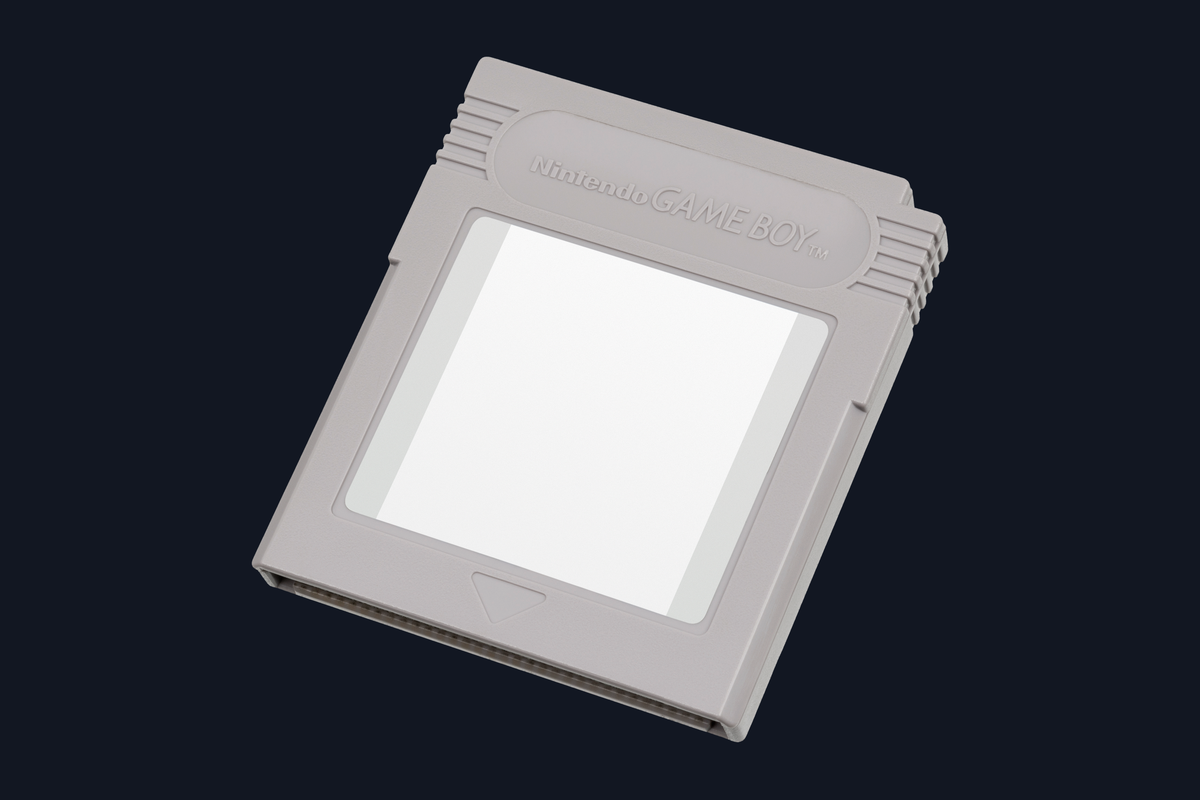
Bird Cartel says it supports more than 1,900 games. The edition you own matters, too. Japanese and European releases of the same game can need different maps to tell the player where to find the music data. You can hear the device in action on the official Retro Song Bird site.
What the prototype test showed
Bird Cartel sent Damien McFerran a hand-built prototype with a 3D-printed case. He skipped tracks with a button on the side and adjusted the volume with a dial. On the back were a USB-C port for power and data and a 3.5 mm stereo line out for connecting to an amplifier.
Some cartridges only worked after he cleaned their contacts. The prototype failed to recognise the Japanese release of Castlevania Legends and produced no sound from the European release of Probotector. The speaker distorted on bass-heavy tracks at full volume.
You can also use the browser interface over local Wi-Fi to export tracks as WAV files or back up saved games.
Where the Game Boy's sound came from
The original Game Boy, introduced in 1989, had four sound channels. Two generated pulse waves, a third used a waveform set by the game, and the fourth generated noise for percussion and sound effects. One of the most familiar Game Boy tunes is the Tetris theme, an arrangement of the Russian folk song Korobeiniki.
Retro Song Bird can send each of the four channels separately over USB. In recording software, you can listen to what each one is playing. We also covered how the C64 title music was adapted for the ZX Spectrum's sound chip in our article on Wizball Enhanced Edition.
Kickstarter price and estimated delivery
The standard Retro Song Bird is available for a US$79 pledge, with delivery estimated for April 2027. By 22 November, backers had pledged more than US$95,000. The campaign runs until 15 December 2026, according to the Kickstarter project page.
Shipping is available to selected countries. See the campaign FAQ for the full list.
Related reading · Evercade Nexus and cartridge gaming on a new handheld