
Are classic fairy tales being updated to protect sensitive groups — or are we slowly erasing tradition? It’s a question that keeps popping up whenever a beloved story gets a modern remake. Some people feel relieved to see outdated stereotypes removed. Others feel like a piece of childhood has been rewritten right in front of them.
If you grew up with fairy tales, you probably remember them as something warm and familiar — stories that felt “fixed,” like they had always existed in that exact form. But here’s the twist: fairy tales have never been fixed. They’re living stories. And they’ve been changing for centuries.
Fairy tales were born in a very different world
Many of the stories we call “classic” started as oral folklore — tales told around fires, in kitchens, in villages, long before they were printed in books. They were shaped by the fears, values, and realities of their time. In the 18th and 19th centuries, collectors like the Brothers Grimm wrote down versions of these tales, but even those were not “the original.” They were one set of versions among many.
Also, early fairy tales weren’t always meant for small children. They often included harsh consequences, darker themes, and blunt moral lessons. The world back then was tougher, and stories reflected that. Over time, as fairy tales became more associated with children’s literature, many details were softened or removed.
Fairy tales have always been edited — even before today’s debates
This is where the conversation gets interesting. A lot of people talk as if modern changes are the first big “rewrite” in history — but modern audiences have been seeing adapted fairy tales for decades. The most famous animated versions introduced humor, music, romance, and a brighter tone. Many darker elements were reduced, while characters were redesigned to feel more lovable, more comedic, and more market-friendly.
In other words: even the versions we remember from childhood were already shaped by the cultural standards of their era. That doesn’t make them “fake.” It just means they’re part of a long tradition of retelling.
Why fairy tales are being changed today
In recent years, creators have been rethinking how certain characters and groups are portrayed. Some changes aim to avoid stereotypes. Others try to broaden representation. Sometimes even the language used to describe characters is updated, or certain roles are reframed to avoid mocking real people.
The argument is simple: if a portrayal can hurt or marginalize a group of people, why keep it exactly the same? Fairy tales are often introduced to kids early. They help shape how children see heroes, villains, beauty, “difference,” and what is considered normal. So, if a story repeats an old stereotype, it can reinforce a message that modern society is trying to move beyond.
From this perspective, updating fairy tales is not censorship — it’s care. It’s a cultural decision to say, “We can keep the magic without keeping the harm.”
The other side: does changing fairy tales erase cultural memory?
On the other hand, there’s a real concern that constant rewriting can blur our understanding of where these stories came from. Fairy tales are historical artifacts as much as they are entertainment. They carry the fingerprints of their time: social fears, class structures, gender roles, and the moral logic of older societies.
So people ask: should we change the story, or should we teach context? If we remove everything that reflects an old worldview, do we lose the ability to understand history through storytelling? And if every new version replaces the last, will the older versions survive outside academic circles?
For many families, tradition isn’t only about “accuracy.” It’s about emotional continuity. A story can feel like a shared family memory. When that story changes, some people don’t just feel disagreement — they feel a kind of quiet grief, like a familiar photograph has been edited.
Is there a middle path?
Maybe the healthiest solution isn’t choosing one side forever. Maybe the best answer is coexistence.
Classic versions can remain accessible as part of cultural history. Modern versions can exist alongside them, reflecting today’s values and sensitivities. That way, tradition isn’t erased — it’s expanded. Viewers and readers can choose the version that fits their needs, age group, and perspective.
This is how stories have survived for centuries: not by staying frozen, but by being retold. What matters is how responsibly we retell them — and whether we allow room for both memory and progress.
Why this debate feels so personal
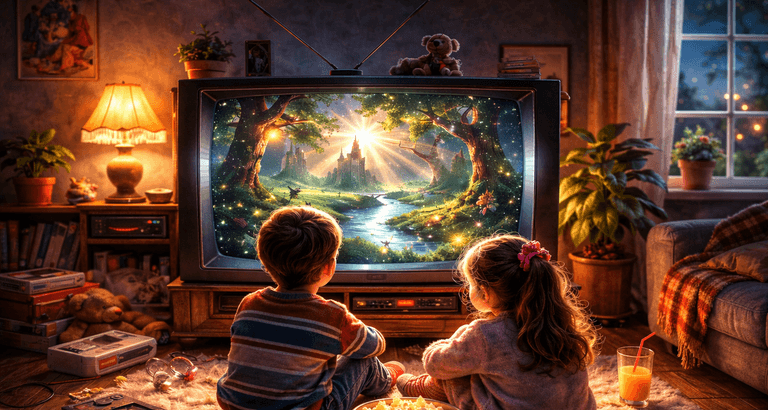
Fairy tales aren’t just stories. They’re childhood feelings. They’re the warmth of a living room, the glow of a screen, the sound of someone reading aloud, the sense that the world is bigger than your bedroom walls.
So when people argue about changing fairy tales, they’re often arguing about something deeper: belonging, identity, nostalgia, and what we pass down to the next generation.
Conclusion: tradition and change don’t have to be enemies
Updating classic fairy tales can help protect sensitive groups and create kinder storytelling for modern kids. At the same time, preserving older versions helps us understand cultural history and the evolution of storytelling itself.
Maybe the real question isn’t “Should we change fairy tales?” but rather: How do we change them without losing what made them meaningful?
What do you think — are modern updates a thoughtful step forward, or do they erase something important from the stories we grew up with?
If you enjoy nostalgia with a little history and context, you might also like these reads: How the Pink Panther Was Created, Fun Facts About The Flintstones, and Toys That Defined Our Childhood.