
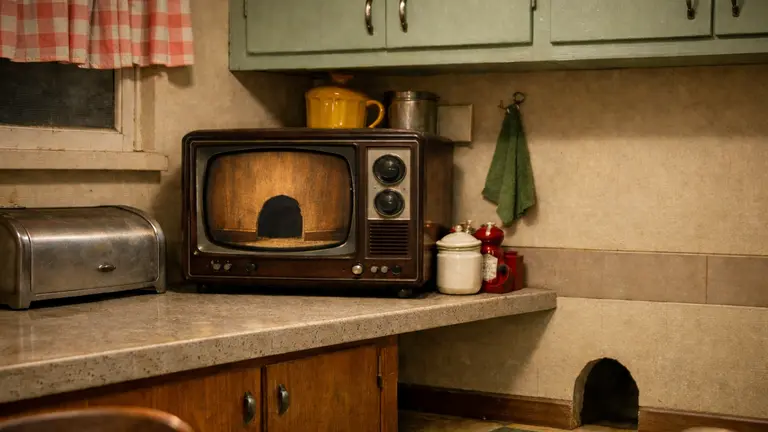
Tom and Jerry remastered episodes from the 1940s are among the most fascinating restoration projects in animation history. The cartoons we watch today on television or streaming platforms often look sharper and clearer than the versions audiences saw more than eighty years ago. Thanks to careful restoration and digital technology, many classic episodes have been preserved and improved for modern screens.
However, restoring these legendary cartoons was not an easy task. The original animation was recorded on fragile film stock that naturally deteriorates over time. Scratches, dust, faded colors, and unstable frames were common problems in older copies. Because of this, restoration experts had to carefully repair and digitize the original materials to bring these beloved cartoons back to life.
Tom and Jerry Remastered: Restoring the 1940s Cartoons
The original Tom and Jerry cartoons were produced in 1940 by the Metro-Goldwyn-Mayer animation studio. Created by William Hanna and Joseph Barbera, the idea was simple yet brilliant: a mischievous mouse constantly outsmarting a determined cat.
Unlike modern animation, every scene had to be drawn by hand. Thousands of individual drawings were required for just a few minutes of animation. Artists carefully illustrated each frame, which was then photographed on film. This painstaking process gave Tom and Jerry its distinctive movement and expressive characters.
Because the animation was entirely handmade, every episode carried a unique artistic quality. Backgrounds were painted by skilled artists, and the humor relied heavily on visual storytelling instead of dialogue.
Why classic cartoons needed remastering
Film does not last forever. Over time, the original reels used to create Tom and Jerry cartoons began to deteriorate. Colors faded, frames became scratched, and the image sometimes shook due to damaged film stock.
As televisions evolved and high-definition screens became common, these imperfections became easier to notice. Older broadcasts often relied on worn copies of the original film, which meant the quality was far from ideal.
This is where Tom and Jerry remastered projects became important. By scanning the original film reels and digitally restoring them, studios were able to recover much of the lost image quality.
The process behind Tom and Jerry remastered editions
The restoration process usually begins by locating the best surviving film materials. Sometimes the original camera negatives are still stored in studio archives, providing the highest possible quality source.
Next, technicians scan the film in very high resolution. Once digitized, the real restoration work begins. Specialized software removes scratches, dust particles, and other imperfections that appeared over decades.
Frames are stabilized to remove shaking caused by aging film. Color levels are carefully adjusted to restore the original vibrancy of the artwork. However, restoration experts must be cautious not to over-process the image. Too much digital correction can remove the natural texture of classic animation.
The goal of a Tom and Jerry remastered release is not to change the cartoon, but to present it as closely as possible to how audiences originally saw it.
How remastered versions improve the viewing experience
Watching a remastered episode can feel surprisingly different from older television broadcasts. Lines appear sharper, background paintings become clearer, and colors look more stable and vibrant.
At the same time, the spirit of the cartoon remains unchanged. The fast-paced chases, exaggerated reactions, and perfectly timed slapstick humor still feel exactly as they did decades ago.
This balance between restoration and authenticity is what makes the Tom and Jerry remastered editions so valuable to animation fans.
The importance of the early Tom and Jerry cartoons
Many historians consider the 1940s and 1950s the golden age of Tom and Jerry. During this period, the creators experimented with incredibly dynamic animation and clever visual comedy.
The cartoons relied on physical humor rather than dialogue, making them universally understandable. People from different cultures could enjoy the same jokes without translation.
This universal appeal helped the series win several Academy Awards for Best Animated Short Film and established Tom and Jerry as one of the most famous cartoon duos in history.
The influence on modern animation
The impact of Tom and Jerry on modern animation is enormous. Many contemporary cartoons still use the same principles of visual humor, exaggerated reactions, and carefully timed action.
If you’re curious about how animation techniques evolved over time, you can explore our article about how cartoons were made in the 1990s.
The style of humor used in these cartoons has also shaped how audiences understand animated comedy. We explore that idea further in our article about how cartoons shaped our sense of humor.
Classic cartoons and their lasting legacy
Tom and Jerry helped define the global success of animated entertainment. Their influence can still be seen in modern cartoons and animated films.
Many classic animated series followed a similar path, becoming cultural icons that lasted for decades. If you enjoy discovering fun details about famous cartoons, you may also enjoy reading our article about fun facts about The Flintstones.
Conclusion
The Tom and Jerry remastered editions of the 1940s cartoons are more than just technical upgrades. They are an important effort to preserve the history of animation. Through careful restoration, these timeless episodes can now be enjoyed by both longtime fans and younger viewers discovering them for the first time.
More than eighty years after their creation, the rivalry between a clever mouse and a determined cat continues to entertain audiences around the world.
So which version do you prefer — the original classic prints or the modern Tom and Jerry remastered versions?