The Birth of Color Animation in the 1930s
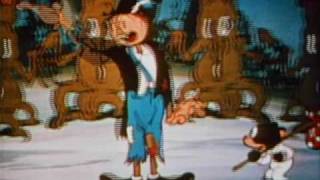
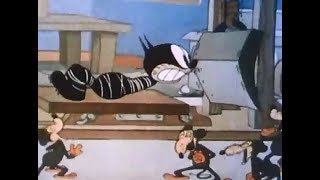
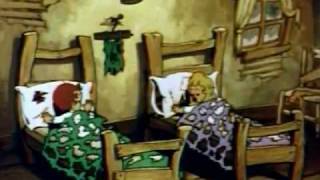
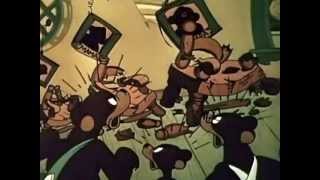
ComiColor Cartoons represent one of the most fascinating chapters in early animation history. Produced between 1933 and 1936 by animator Ub Iwerks, this series explored the possibilities of color at a time when black-and-white animation still dominated theaters. These short films brought fairy tales, fables, and imaginative characters to life using experimental color techniques.
The introduction of vibrant hues changed the way audiences experienced animated storytelling. Instead of relying solely on movement and timing, the shorts used color to enhance mood, atmosphere, and emotional tone. This innovation marked an important shift in the visual identity of classic cartoons.
Innovation, Technique, and Visual Style
ComiColor Cartoons were created during a transitional moment in animation. Studios were competing to refine color processes and improve character design. The series showcased detailed backgrounds, stylized character motion, and inventive special effects for its era.
Many techniques tested during this period later influenced mainstream animated productions. The balance between theatrical storytelling and technical experimentation gives these films lasting historical value.
Why ComiColor Cartoons Still Matter Today
Today, ComiColor Cartoons are appreciated not only for their entertainment value but also for their role in shaping animation history. They demonstrate how early animators pushed creative and technical boundaries.
Watching these shorts offers a glimpse into the evolution of animated cinema. For fans of classic cartoons, this series represents a colorful milestone that helped define the golden age of animation.