
Noveltoons cartoons are a classic series of animated shorts produced by Famous Studios (formerly Fleischer Studios) and released by Paramount Pictures. Created during the 1940s and continuing into the 1960s, Noveltoons cartoons became an important part of mid-century American animation. These colorful and imaginative films introduced audiences to humorous stories, musical scenes, and creative characters that helped shape the golden age of theatrical cartoons.
In addition, the series served as an introduction to many characters who later became well known in animation history. Because of the flexible format of the Noveltoons series, Famous Studios could experiment with different ideas, storytelling styles, and cartoon personalities.
The Origins of Noveltoons Cartoons
Noveltoons cartoons were developed as a way for Famous Studios to introduce new characters and concepts to audiences. The format allowed animators to test different cartoon ideas before turning them into full series. As a result, the Noveltoons lineup became a creative playground for artists and storytellers working in the Paramount animation studio.
These animated shorts often featured lively music, playful humor, and imaginative visual gags. The distinctive style of Famous Studios helped the films stand out from other cartoons of the same era.
Characters Introduced Through the Series
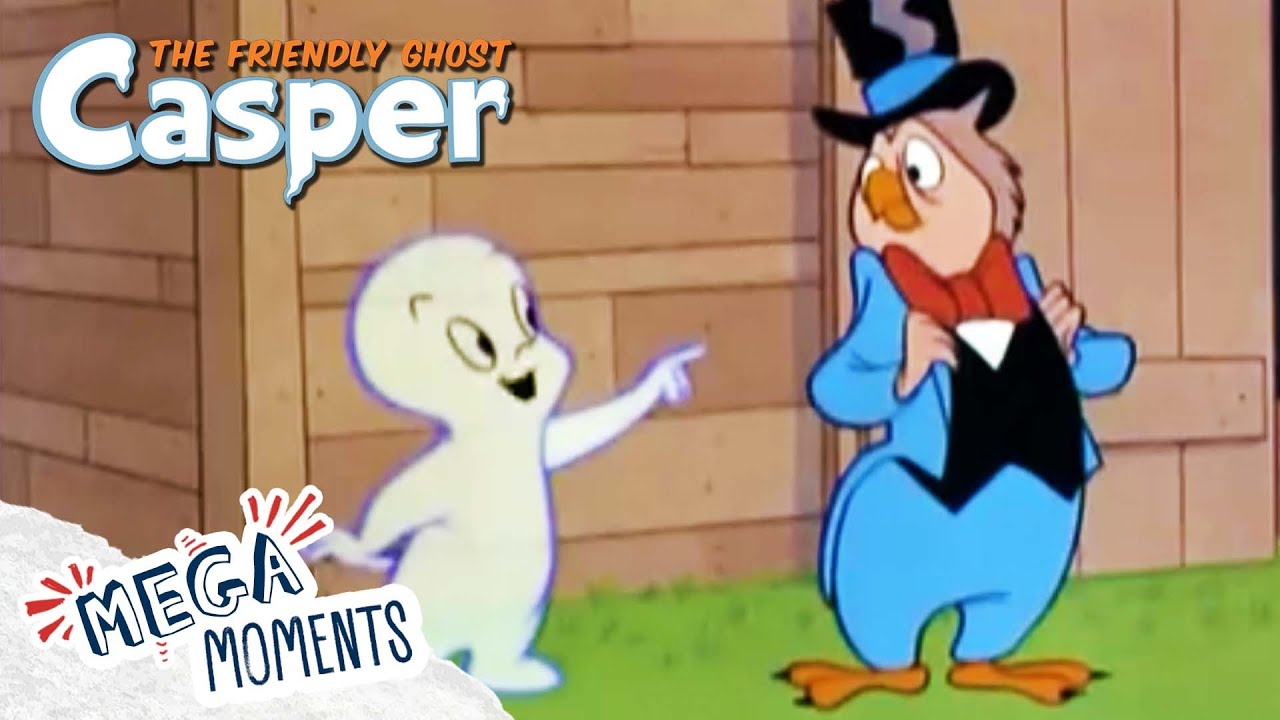
Many memorable characters first appeared in the Noveltoons series before starring in their own cartoons. Some of the most recognizable include Casper the Friendly Ghost, Baby Huey, Little Audrey, and Herman and Katnip. These characters later became popular figures in television reruns and classic cartoon collections.
This category on Good Old Cartoons features selected retro clips, classic scenes, and nostalgic highlights from Noveltoons cartoons. The videos are presented in an educational and archival context for fans of vintage animation and classic theatrical cartoons.
Image Credit: Promotional artwork inspired by Famous Studios animation (used under Fair Use for educational, transformative, and archival purposes).




Sub Categories

