
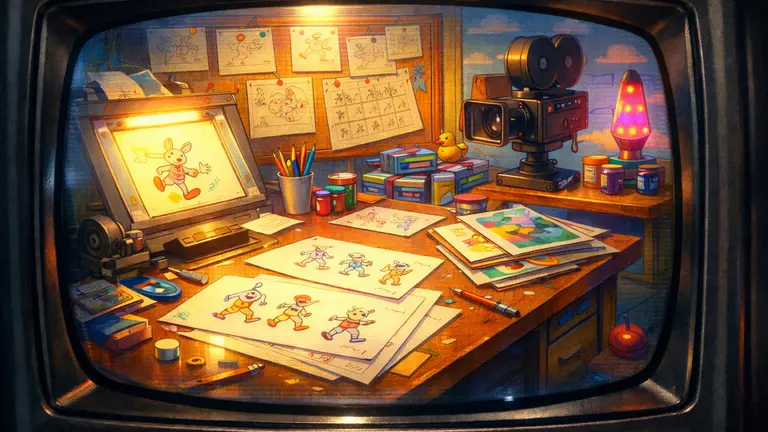
When we watched cartoons in the 1990s, we never stopped to think about how they were made. We just turned on the TV and enjoyed the stories, the humor, and the characters. Behind the scenes, however, creating cartoons in the 90s was a slow, hands-on process that required patience, skill, and a lot of paper.
Every movement was drawn by hand
In the 1990s, most cartoons were still animated frame by frame. Animators drew each movement by hand, sometimes creating dozens of drawings just to show a character walking or reacting. Those drawings were photographed one by one to create the illusion of motion.
This process took time, which is why cartoons from that era often feel calmer and more deliberate compared to today’s fast-paced animation.
Coloring was a manual process
Before digital tools became standard, characters were colored on transparent animation cels. Each cel had to be painted carefully so the colors stayed consistent from scene to scene. A small mistake meant starting over.
Because of this, color palettes were usually limited, but that limitation helped give cartoons a recognizable and timeless look.
Sound and music came first
In many productions, music and sound effects were created before the animation was finished. Animators used rhythm and timing from the soundtrack to match movements and jokes.
Classic cartoon sound effects were often made using everyday objects, giving cartoons their playful and slightly exaggerated feel.
The early days of digital animation
By the late 1990s, computers slowly entered animation studios. They didn’t replace artists, but helped with tasks like coloring, editing, and compositing scenes.
This transition period created a unique visual style — a blend of hand-drawn warmth and early digital precision.
Why cartoons felt different back then
Cartoons in the 90s were not produced as quickly as modern shows. Studios focused on quality over speed, and episodes were carefully reviewed before release.
The small imperfections, visible brush strokes, and uneven lines gave cartoons personality — something many viewers still miss today.
A lasting legacy
When we rewatch cartoons from the 1990s, we’re not just revisiting stories from childhood. We’re seeing the effort, craftsmanship, and creativity that went into every frame.
Those cartoons were made by people, not algorithms — and maybe that’s why they still feel so alive.
Did you ever wonder how your favorite cartoons were created? Looking back at the animation process of the 1990s helps explain why those shows left such a strong impression on us.
If you enjoy learning how classic cartoons were created, you might also like reading about fun facts about classic cartoons, revisiting what TV mornings were like in the 1990s, and discovering why cartoon characters have four fingers.